Transform Your Outdoor Space: Insights From a Skilled Landscaping Professional
Upgrading a backyard area demands careful consideration and planning. A professional landscaper emphasizes the value of assessing current landscape elements and identifying distinct spaces for multiple functions. Adding hardscape features can enhance the functionality of the space. Furthermore, selecting the right plants and lighting can considerably affect practical tips the general ambiance. Recognizing these factors is fundamental. What measures should be followed to turn an outdoor vision into reality?
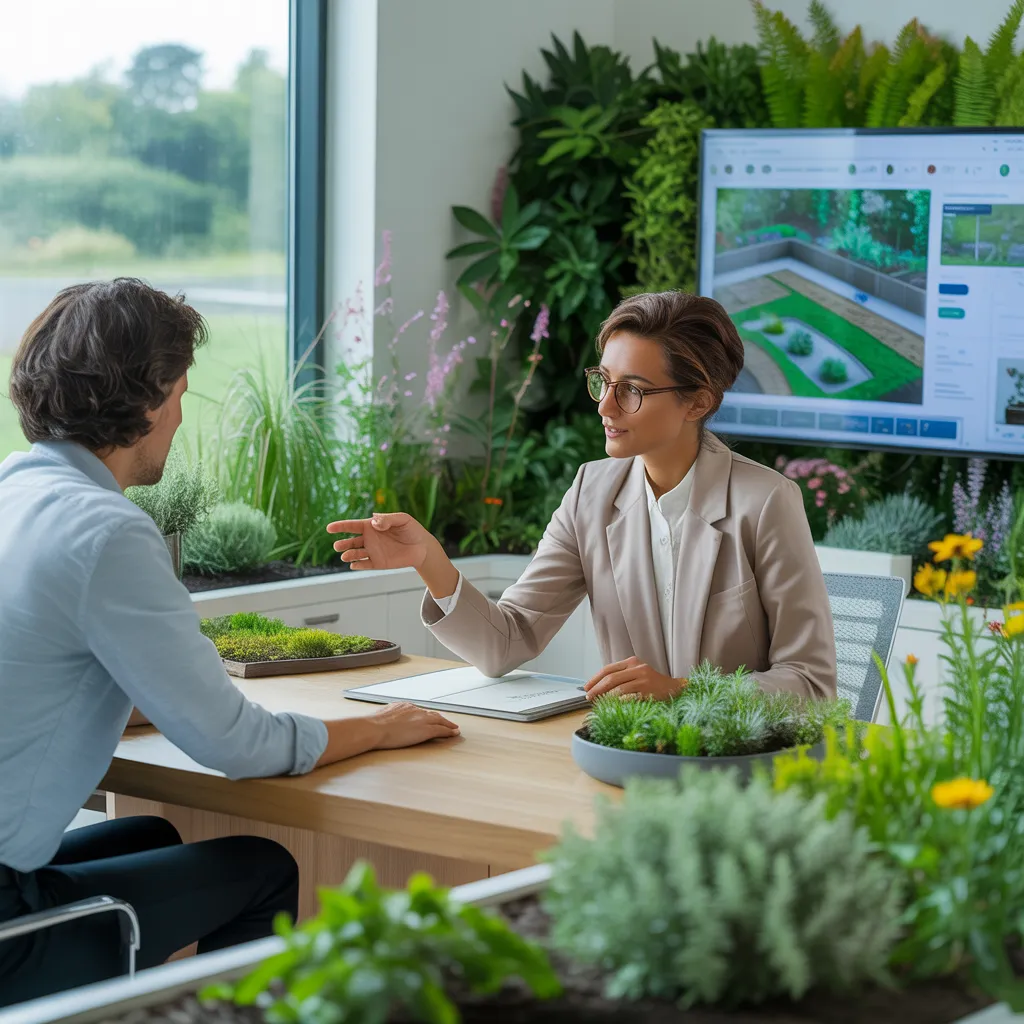
Assess Your Outdoor Space: Identify Key Changes to Make
What is the best way to assess an outdoor area to determine needed improvements? To begin, a comprehensive assessment of the space is necessary. This encompasses evaluating the usability of established components including paths, benches, and lighting fixtures. Studying how these features function in relation to each other can highlight areas for development. Furthermore, it is important to evaluate the general state of vegetation and landscaping supplies, identifying sections that might need upkeep or renewal.
Furthermore, gauging the area's practicality is vital. Can you identify areas designated for relaxation, entertainment, or gardening? Pinpointing neglected zones can uncover possibilities for development. Environmental factors, including sunlight exposure and drainage, should likewise be evaluated, as they influence the health of plants and general enjoyment.
Lastly, obtaining insights from family and regular guests can offer helpful perspectives. By combining personal observations with external input, one can create a thorough plan for successfully redesigning the exterior space.
Shape Your Aesthetic: Choosing the Right Aesthetic for Your Garden Space
Selecting the perfect style for a garden starts with determining personal preferences. Discovering various landscaping styles can assist people design a space that showcases their personality and meets their needs. By carefully considering these elements, one can convert an exterior space into a unified and appealing haven.
Recognize Your Preferences
When defining the character of a garden, one must consider personal preferences and the desired aesthetic. This approach begins by evaluating individual tastes, whether drawn to modern minimalism, rustic charm, or vibrant tropical themes. A careful assessment of hues, vegetation varieties, and outdoor elements can help shape decisions aligned with the desired vision. Furthermore, important factors including climate, maintenance levels, and available space must be factored into choices. Reflecting on how the garden will be used—whether designed for social gatherings, peaceful retreats, or active cultivation—can further refine preferences. At its core, defining these components builds a unified design that improves the outdoor environment while expressing the owner's character and way of life, laying the groundwork for an authentically customized garden journey.
Discover Garden Themes
Exploring landscape styles allows home dwellers to develop a distinct exterior visual style that suits their personal tastes and way of life. Various themes, such as cottage, modern, or Mediterranean, present special characteristics that can be tailored to individual tastes. A traditional cottage-style garden, characterized by its relaxed design and varied plant selections, exudes character and coziness. Conversely, a minimalist garden design highlights structured layouts and restraint, commonly utilizing hardscaping and contemporary materials. A Mediterranean-inspired design evoke relaxation, utilizing drought-resistant plants and vibrant colors. When selecting a theme, home dwellers should consider factors such as local weather conditions, upkeep needs, and individual taste. At its core, a thoughtfully chosen landscape style does more than improve the aesthetic beauty but also creates a unified exterior environment that embodies the owner's personal character.
Incorporate Hardscaping for Structure
To enhance the overall design of an outdoor space, adding hardscaping components delivers fundamental structure and harmony. Hardscaping refers to the non-plant features like patios, garden paths, retaining walls, and decorative stonework that form well-defined zones within the outdoor setting. These components support both usability and beauty, guiding movement and establishing focal points.
To illustrate, a carefully situated stone pathway can lead guests through a garden, while a raised patio can function as an outdoor living area, creating a clear shift from the home to the yard. Furthermore, incorporating materials like brick, pavers, or natural stone can elevate the aesthetic value and longevity of the space.
Including hardscaping not only cuts down on maintenance by decreasing grassy areas but also permits innovative designs that showcase personal taste. At the core, these components set the stage for a cohesive outdoor setting, integrating naturally with the surrounding environment.
Pick the Best Plants for Your Climate
When selecting plants for outside environments, familiarity with the local climate is crucial. This understanding facilitates the identification of locally suited plants, which are typically more durable and well-adjusted to their surroundings. By picking the most suitable plant types, landscapers can boost their outdoor space's longevity and attractive qualities.
Analyze Your Local Climate
Grasping the regional climate is essential for identifying suitable plants, as it directly influences their growth and survival. Factors such as temperature extremes, relative humidity, precipitation, and light availability hold significant importance in identifying which plants flourish. For instance, regions with hot summers and mild winters may support drought-tolerant varieties, while zones with significant rainfall might accommodate moisture-thriving plants. Landscape cultivators should also account for seasonal shifts and microclimates within their planting area, as these can considerably alter how plants develop. By evaluating the local climate accurately, cultivators can design a tailored planting strategy that not only enhances aesthetic appeal but also encourages an enduring and flourishing garden ecosystem. This method results in thriving plants and lowered maintenance needs.
Advantages of Native Plants
Choosing native plants for a garden complements the understanding gained from evaluating the local climate. These species are naturally suited to local conditions, demanding reduced water, fertilizer, and maintenance in contrast with non-native species. They thrive in specific soil types and weather patterns, encouraging healthier ecosystems. Moreover, native plants attract local pollinators, such as bees and butterflies, which are essential for biodiversity. By incorporating native species, homeowners can create sustainable landscapes that sustain wildlife while boosting the aesthetic value of their outdoor spaces. Beyond that, these plants often demonstrate resilience against pests and diseases prevalent in the area, minimizing the need for chemical interventions. At its core, selecting native plants fosters a harmonious relationship between the garden and its local ecosystem.
Enhance Your Space With Outdoor Lighting
Creating the right ambiance with exterior lighting can convert any environment into an inviting haven. Thoughtfully arranged fixtures can highlight architectural features, pathways, and gardens, elevating the visual appeal. Gentle, warm illumination is ideal for creating an inviting atmosphere, while hanging lights or outdoor lanterns can bring a charming element to exterior entertaining.
Specialists advise combining multiple light sources to achieve depth. For example, pairing ambient lighting with task and accent lights can achieve a harmonious lighting effect. Adding motion-activated lights improves home security while also offering practical lighting.
In addition, the use of dimmers offers flexibility, permitting modifications according to the setting. Solar lights serve as a sustainable solution that demands little upkeep, making them suitable for various outdoor settings. At the end of the day, thoughtful outdoor lighting not only enhances safety but also encourages relaxation and socializing, transforming any outdoor area into a more inviting setting.
Make Your Space Your Own: Creative Concepts to Improve Your Backyard
Exterior areas can be greatly improved by including distinctive accents that mirror personal aesthetics. Incorporating distinctive outdoor decorations, such as ornamental figures or wind chimes, can form striking centerpieces that attract notice. Selecting vibrant planters or ornamental containers infuses lively color, while trellises adorned with climbing plants add appealing height and dimension.
Personalized seating areas, showcasing cushions in assorted designs and fabrics, invite relaxation and conversation. Garden pathways accented with pebbles or engaging stepping stones can direct visitors throughout the garden, elevating the entire atmosphere.
Integrating elements like decorative birdhouses or pollinator feeders not only attracts wildlife but also adds charm. Furthermore, incorporating seasonal embellishments, such as spring flowers or autumn gourds, maintains a lively and refreshing garden atmosphere across every season.
Preserve Your Oasis: Key Care Tips for Enduring Beauty
Keeping up an oasis calls for ongoing effort to guarantee its appeal remains through the changing seasons. Consistent watering is necessary, particularly during dry spells, making sure that plants receive the right amount without turning waterlogged. Spreading mulch around plants helps hold in moisture and prevent weed growth, supporting a healthier garden. Pruning is another crucial task; it stimulates healthy growth and removes dead or diseased branches. Feeding plants should be done according to plant needs, providing necessary nutrients for stunning blooms and rich foliage.
Weed control is critical; a proactive approach prevents competition for resources. Periodic seasonal evaluations allow for the early identification of pests and diseases, allowing for timely intervention. Additionally, essential lawn upkeep practices like mowing and aeration help achieve a refined and well-kept look. By following these essential maintenance guidelines, any outdoor area has the potential to prosper, transforming into a lasting sanctuary that delights the senses for years to come.
Maximize Your Outdoor Space After Dark
How can one truly appreciate an exterior living space after the sun sets? Proper lighting transforms the ambiance, highlighting garden features and creating inviting pathways. Subtle, warm fixtures can highlight the natural greenery, while fairy lights introduce a magical element. Incorporating lanterns or candles enhances the cozy atmosphere, ideal for gatherings or quiet evenings.
Furthermore, incorporating patio heaters or fire features prolongs functionality, offering comfort and warmth during cold evenings. Auditory features, like gentle music or water features, can enhance the sensory experience, making the space feel more alive.
Furniture choices also play a significant role; inviting seating promotes relaxation and conversation. Finally, consider incorporating night-blooming plants to add fragrance and visual interest after dark. By mindfully refining these components, one can establish an enchanting outdoor haven that flourishes during the nighttime hours, encouraging exploration and pleasure long after dusk.
Frequently Asked Questions
How Do I Budget for a Landscaping Project?
In order to budget for a landscaping project, homeowners should assess the desired features, obtain quotes from landscaping experts, factor in materials and labor costs, and establish a contingency fund for unexpected expenses during the project.
What Are the Best Times of Year for Landscaping?
The ideal times for landscape work are usually early spring and fall. Throughout these periods, the temperatures remain mild, enabling plants to develop strong roots before winter or summer heat, ensuring healthier growth and ideal results for your landscaping endeavors.
Can I Handle Landscaping Myself or Should I Hire a Professional?
Individuals can choose to landscape themselves or bring in a landscaping expert, based on their skills, time availability, and project complexity. Evaluating one's capabilities and desired outcome generally guides the ideal path forward for landscape planning.
What Is the Best Way to Choose a Landscaper for My Project?
To identify the ideal landscape specialist, homeowners should review portfolios, consult references, evaluate experience, and confirm alignment with the project vision. Moreover, requesting multiple quotes can help gauge the pricing and services offered for well-informed decision-making.
What Common Mistakes Should I Avoid in Landscaping?
Common mistakes in landscaping include overplanting, neglecting soil quality, ignoring local climate, failing to contemplate maintenance, and not planning for growth. Adequate research and well-considered design strategies can help sidestep these challenges for a flourishing landscape project.